Some aesthetic codes considered outdated in 2023 are making a strong comeback at the beginning of the following year, reversing the hierarchy of materials and forms. The growing adoption of recycled materials by major brands coexists with the rise of local artisanal solutions, previously reserved for exclusive circles. The traditional boundaries between functionality and ornamentation are blurring in recent collections, disrupting established habits.
What influences are shaping interior decoration in 2024?
The 2024 decor trends evolve at the crossroads of heritage and innovation. The 1970s mark a notable return: graphic patterns, generously rounded shapes, chrome, and transparency are making their way into home decor, infusing a breath of fresh air into your living room. The retro-vintage style is expressed through furniture made of dark wood, brass, and stylized patterns. This revival of the past is far from caricatural: it is an interior decoration that embraces its references while asserting its personality, warm and expressive.
The Bauhaus movement is also prominent. It asserts itself through its quest for minimalism and functionality, featuring clean lines, materials like natural stone, and a rigorous aesthetic, perfectly in tune with modern daily life. The uncluttered spaces prioritize balance, highlight each object, and promote simplicity, far from any overload.
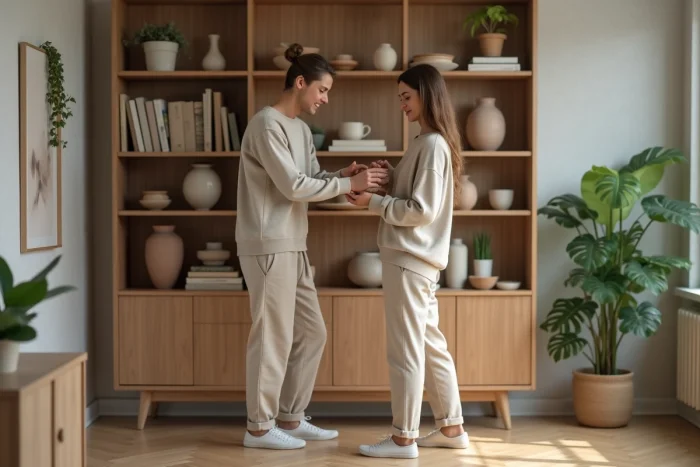
But what dominates the scene is the pursuit of well-being. The desire for a warm and welcoming atmosphere translates into natural hues, authentic materials, the presence of plants, and a strong taste for cocooning. The habitat trends at Salon Tendances Habitat highlight this quest for harmony: the natural style blends with a desire for softness, intimacy, and roots. Choices are personalized, in line with your lifestyle and current inspirations, so that every nook serves both aesthetics and everyday comfort.
Color palette, natural materials, and organic shapes: what makes interiors resonate this year
The reign of subdued colors is giving way to a burst of colors skillfully orchestrated. Vibrant oranges, bright yellows, bold reds, intense Klein blue, and emerald green awaken interior decoration and assert a new energy. To bring these contrasts to life, several options are available to you:
- fearless combinations of strong shades,
- pastel tones that promote calm,
- subtle plays on walls, textiles, or small objects that catch the eye.
The result: a carefully balanced interior that vibrates, far from monotony.
Another significant pillar of the trends is organic shapes. In the living room, armchairs become rounded, sofas adopt enveloping armrests, and seating expands. Rugs break free from traditional contours to create free forms on the floor. This roundness invites relaxation and maintains a warm and welcoming atmosphere, where it’s pleasant to gather.
Natural materials take center stage and are found in every room:
- dark or fire-treated wood,
- natural stone (travertine, granite, limestone, Saint-Yrieix gneiss, or Infercoa),
- bamboo, rattan, cork, wicker, linen, ceramics, glass.
Natural stone appears on floors, walls, or furniture, creating a fluid connection between indoors and outdoors. Corduroy, straight from the retro aesthetic, offers refined comfort, while boucle softens the ambiance. Discreet yet present geometric, floral, or fruity patterns punctuate the space. Chrome adds a contemporary touch, and transparency diffuses light. As for terracotta, green, and peach, they infuse the whole with a Mediterranean warmth, a breath of freshness, or a soft note depending on the room.
Towards a sustainable and harmonious habitat: how to adopt trends without a false note
Sustainability is becoming the guiding principle of renovation and design projects. Recycled materials, certified wood, and upcycling mark every space, transforming the act of decorating into a commitment to the planet. Furniture is also evolving: it is becoming multifunctional and modular to meet the demand for versatile spaces and adaptive interior layouts. This agility structures today’s habitat, where every square meter is optimized.
Let’s take concrete examples to illustrate this approach:
- a living room that easily transforms into an office as needed,
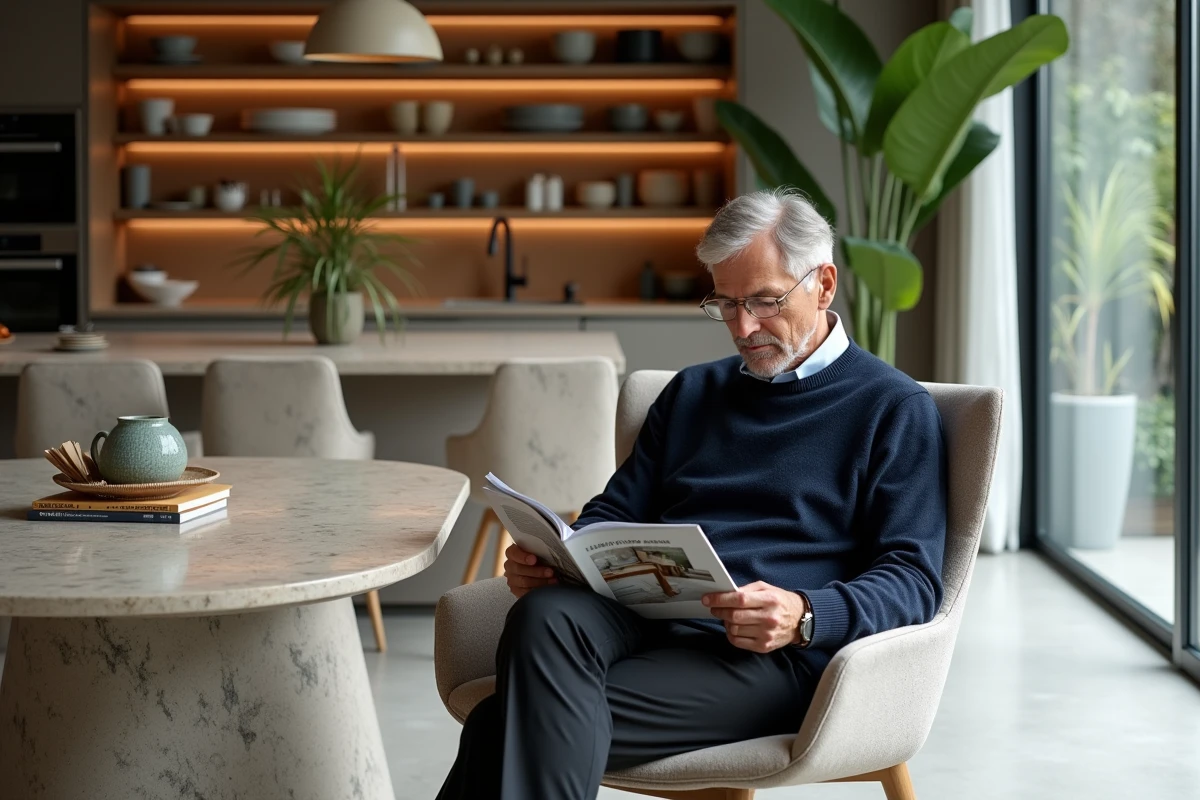
- a kitchen that accommodates a reading nook without encroaching on conviviality,
- a bedroom that cleverly integrates discreet storage.
With this mindset, aesthetics and functionality go hand in hand, while considering ecological impact.
Technological progress also accompanies this evolution. Home automation, smart lighting, and other connected solutions allow for adapting the ambiance to each moment of the day. Adjusting brightness, setting temperature, programming routines according to lifestyle: these tools enhance comfort, security, and open the door to increasingly fine personalization of the habitat.
Following the movement does not mean accepting everything without discernment. It is essential to maintain a balance between material choices, uses, and aspirations. Opt for responsible manufacturing methods and select objects that tell a story, reflecting a genuine concern for the environment. It is this subtle dialogue between styles, materials, and technologies that shapes an interior that is both enduring, vibrant, and in tune with today’s society.
The decor changes, but the desire to feel good at home remains the driving force. The year 2024 promises interiors that are as bold as they are intimate, where every detail matters and where harmony is reinvented, piece by piece.