Connected watches, mobility sessions, short formats, artificial intelligence applied to recovery: sports practices are evolving rapidly, and technological promises are multiplying. What measurable gains do these sports trends actually bring to practitioners, and where do the limits of available data lie?
Reliability of sports sensors: what studies really measure
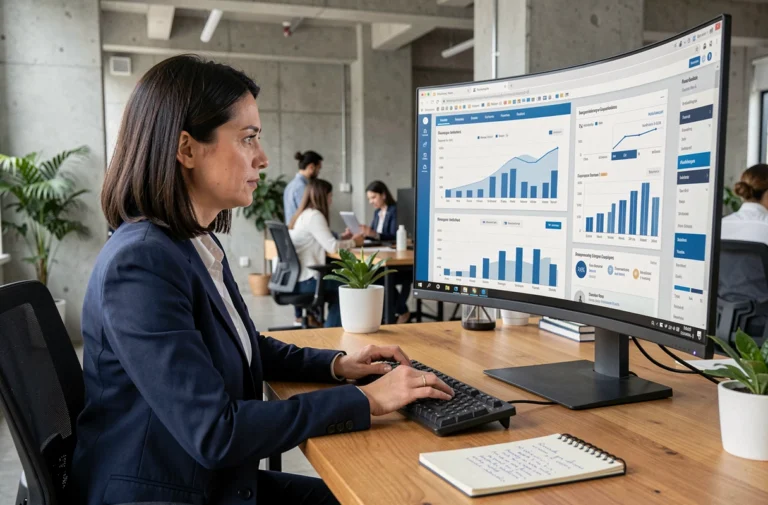
Wearables (watches, bracelets, heart rate belts) play a central role in training monitoring. They produce recovery scores, load estimates, and fatigue indicators. The question is no longer whether these tools are useful, but how reliable their data is.
A literature review on commercial sensors among runners concludes that reliability varies by device, measurement method, and usage conditions. The same bracelet may overestimate heart rate at the wrist during intervals while remaining accurate at rest.
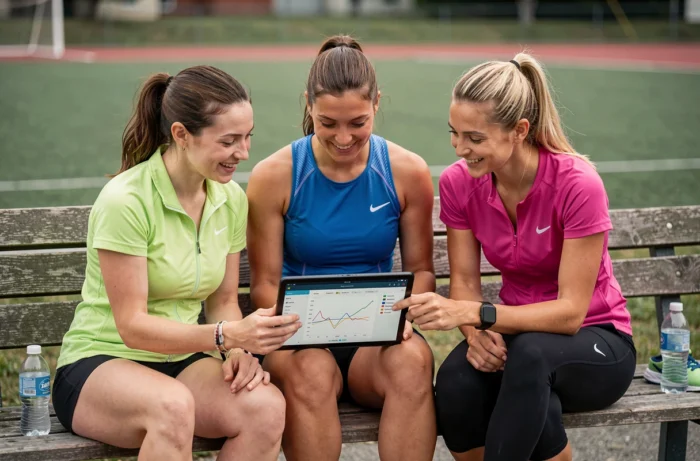
Proprietary recovery or load scores should be interpreted alongside perceived symptoms and individual context, not in isolation. A “green” recovery score does not replace the feeling of heavy legs or disturbed sleep. To learn more about So Sports, the resources specifically cover this type of intersection between objective data and on-the-ground feelings.
In professional men’s football, GNSS tracking is very common during on-field rehabilitation. A survey of industry professionals reports a lack of consensus on objective criteria for progress and return. The gap between data availability and the existence of a universal safety threshold remains the main point of friction.
Fitness trends 2026: comparison of training formats
Several formats coexist in gyms and apps. Their effectiveness depends on the practitioner’s profile, available time, and targeted goal. The table below compares the characteristics of the most followed formats.
| Format | Typical Duration | Main Objective | Suitable Profile |
|---|---|---|---|
| HIIT (high-intensity interval training) | 15-30 min | Cardio capacity and calorie expenditure | Intermediate to advanced practitioners |
| Functional fitness | 30-45 min | Useful strength, mobility, coordination | All levels, rehabilitation after injury |
| Hybrid training (cardio + strength) | 40-60 min | Physical versatility | Regular athletes seeking a comprehensive program |
| Short sessions (“fitness snacks”) | 5-15 min | Active maintenance, daily mobility | Busy schedules, beginners |
| Immersive group classes | 30-50 min | Motivation and adherence | Practitioners motivated by the group |
HIIT and short sessions share a common point: they address time constraints. Their logic diverges on intensity. “Fitness snacks” focus on regularity at low intensity, while HIIT concentrates maximum effort over a reduced window.
Functional fitness is gaining ground because it works on everyday motor patterns (pushing, pulling, carrying, pivoting). This format is particularly interesting for practitioners recovering from an injury, as it engages joint stability before heavy loading.
Mobility and recovery: still underestimated pillars in sports programs
Joint mobility and active recovery are among the most discussed trends. Their place in a program often remains poorly calibrated.
- Mobility is not limited to static stretching. It includes joint control exercises in range, often practiced at the beginning of a session to prepare the joints for load.
- Active recovery (walking, light cycling, gentle swimming) accelerates blood circulation without adding mechanical stress. It differs from passive rest, which is better suited for acute injuries.
- Integrating ten to fifteen minutes of targeted mobility reduces the risk of postural compensations during strength movements, limiting localized overloads on tendons and joints.
AI applied to injury prevention and recovery remains promising but is not yet easily generalizable to the general public. Algorithms lack sufficient longitudinal data to personalize recommendations beyond a generic level.
World Anti-Doping Code 2027: an update to anticipate for licensed athletes
The new World Anti-Doping Code and its associated standards will come into effect in 2027. Athletes subject to location obligations or therapeutic use exemptions (TUEs) should check now for the planned adjustments.
The rules applicable to common medications and dietary supplements are among the points likely to evolve. An over-the-counter supplement may contain a substance on the prohibited list, and the responsibility lies with the athlete.
- Check each supplement and medication against the updated list before use.
- Anticipate the timeframes for TUE requests, which can exceed several weeks depending on the federation.
- Consult the official resources of the national anti-doping agency to know the specific obligations for their discipline.
This point mainly concerns athletes enrolled in target control groups, but it also affects amateur competitors subject to testing at national or regional events.
Sensors are producing more data than ever, training formats are diversifying, and the regulatory framework is evolving. The most useful data is the one that the practitioner knows how to interpret in their own context, not the one that generates the most reassuring score on a screen.