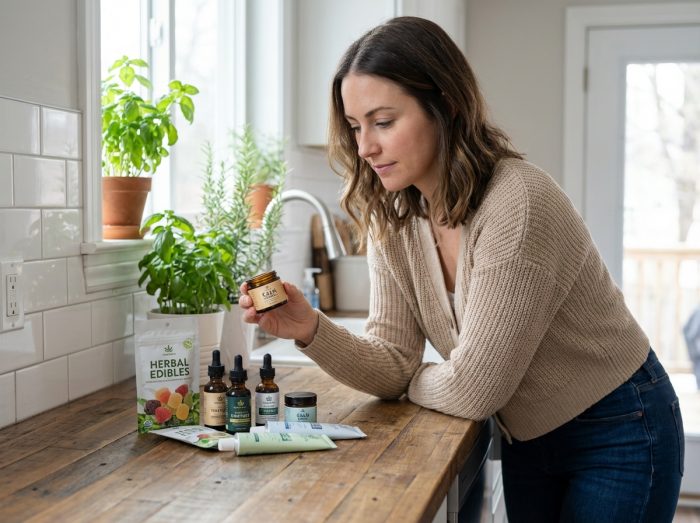
In France, the marketing of non-intoxicating cannabis products is still governed by complex legislation, oscillating between tolerance and occasional prohibitions depending on THC levels and the source of the extracts. The increasing variety of references in specialized shops, ranging from traditional pollen to derivatives enriched with rare cannabinoids, blurs consumers’ benchmarks.
Brands are competing in innovations, betting on distinct aromatic profiles, optimized CBD or CBG levels, and the introduction of molecules like CBDX. Choices are expanding, but understanding the effects and uses requires careful decoding.
Overview of CBD and hashish varieties: understanding the richness of modern cannabis
The scene of legal cannabis has transformed at a dizzying pace. Now, the profusion of varieties imposes real connoisseur choices on consumers. Take CBD flowers: derived from refined crossings, an Amnesia Haze for example, stands out for its terpene profile. Behind each scent, each bouquet, lies the reflection of careful genetics and meticulous cultivation work.
On the hashish side, the offering has expanded: from classic Moroccan hashish, with soft and dark textures, to new wave extracts, diversity is also displayed in the manufacturing method. Depending on the variety and technique, the molecular structure varies, as does the content of THC, CBD, or the presence of molecules like CBG, CBN, or CBC. This precise combination of cannabinoids and terpenes influences sensations, from deep calm to slight stimulation, without ever seeking to reproduce the high effect of THC at high doses.
Some concentrated formats, like cbd wax, are gaining ground. These products appeal to those looking for high concentrations and a quick response to specific needs. We see it in France: demand is shifting towards these alternatives that reinvent the classics while emphasizing aromatic diversity and innovation.
The sophistication of the sector is also measured by the mastery of THC and CBD levels and the knowledge of different cannabinoids. The most committed brands offer complex hashish varieties, designing each product to meet high expectations, where curiosity and demand meet.
What criteria to choose the product suited to your needs?
Before deciding, one must determine what they really expect from their experience. CBD flowers are popular for their aromatic richness and controlled CBD levels, perfect for those who want to avoid any psychoactive effect and enjoy only certain calming properties. The choice is then made based on a THC level compliant with regulations, and above all on the harmony between cannabinoids and terpenes.
Cannabis-based products interact with our endocannabinoid system but should not cause undesirable effects. Several studies explore their interest in chronic diseases such as inflammatory bowel disorders, but vigilance remains essential regarding quality, traceability, and compliance with legal standards. On this point, the reliability of the producer makes all the difference.
Everyone reacts differently: sometimes it is necessary to test several references to identify what suits best. Comparing cultivation methods, origin, and exact composition in cannabinoids helps refine choices and guide towards the most suitable formula.
Here are the essential reference points to navigate:
- Analyze the cannabinoid levels present
- Prefer a terpene profile suited to the desired effect
- Check compliance with European standards
- Consult the results of studies or informed opinions to refine your choice
CBDX, H4CBD, THCP… Focus on new trends and emerging cannabinoids
A new range of cannabinoids is now attracting attention. While CBD has opened the door to gentle and controlled uses, other molecules like CBDX, H4CBD, or THCP renew the experience and question the established benchmarks of legal cannabis in France and Europe.
THCP, recently isolated, intrigues with its unique molecular structure and powerful effects, sometimes reported to be much more pronounced than those of classic THC. Initial research suggests significantly more intense sensations, raising questions about future regulation. H4CBD, obtained through the hydrogenation of CBD, does not produce psychoactive effects but shows notable affinity with certain receptors of the endocannabinoid system, which attracts interest for specific wellness applications.
To better understand these trends, let’s observe the distinctive points of each molecule:
- CBDX offers a gentle and customizable alternative for those seeking a more nuanced experience.
- THCP raises questions about the evolution of varieties and future regulatory frameworks in France.
- H4CBD is appreciated for its stability and the variety of its applications in the wellness sector.
Research is accelerating, trials are multiplying, and products are adapting to increasingly precise demands. Before any experimentation, it remains essential to study the molecular structure, the nature of the expected effects, and compliance with legislation. This movement outlines an era where scientific curiosity and consumer demand accompany the premiumization of legal cannabis. It is difficult today to predict where this new wave will lead us, but it is certain that it continues to surprise and redefine expectations.